You like wine. Or you think you might like wine. But every time you stand in front of a wall of bottles, something short-circuits. There are too many regions, too many grapes, too many labels with French words you're not sure how to pronounce. So you grab the one with the nicest design, hope for the best, and move on with your life.
No shame in that. Most people start there.
But here's the truth about wine for beginners: you don't need to memorize regions or understand tannin structure to find something you love. You just need a starting point. One varietal that clicks. Once you find that, everything else starts to make sense because you have a reference point.
Here is a simple, no-pressure wine guide to the major varietals, what they taste like, and which ones to reach for based on what you already know you enjoy.
The White Wines: Bright, Crisp, and Easy to Love
Confused about whites? Here is your guide.
Sauvignon Blanc
If you like things fresh and zippy, Sauvignon Blanc is a good place to start. It tends to be high in acidity, which means it tastes clean and bright rather than heavy or sweet. Think of it as the wine equivalent of squeezing lime over everything.
Our Sauvignon Blanc comes from Paso Robles on California's Central Coast. It bursts with ripe passionfruit and freshly squeezed grapefruit, balanced by a crisp minerality that keeps each sip feeling refreshing. If you're someone who reaches for sparkling water over soda, who likes tart over sweet, this is your entry point.
It pairs beautifully with lighter meals such as salads, grilled fish, tacos, or just a sunny afternoon where the food is optional.
Chardonnay
Chardonnay is probably the most well-known white wine in the world, and it might also be the most misunderstood. People hear "Chardonnay" and think of that heavily oaked, buttery style from the '90s. That version still exists, but the grape has range.
Our Chardonnay wine sits in a balanced middle ground. It's not too heavy, not too sharp, with notes of melon, honeysuckle, and a touch of toasted brioche. There's a subtle richness without the butterscotch bomb that scares some people off.
If you like your coffee with a little cream and enjoy stone fruit and soft pastries, Chardonnay is worth exploring. It's versatile enough to drink with roasted chicken, creamy pasta, or a cheese board, and approachable enough that you won't feel like you need a sommelier to explain what you're tasting.
These are the two whites for beginners. You can order both from Just Enough today. Or you have to start your wine subscription. This way, it gets delivered to you without much worry or thought.

The Rosé: Not What You Think It Is
Rosé wine had a reputation problem for a long time. People dismissed it as the wine you drink when you can't decide, or worse, as something unserious. That era is over.
Good rosé is its own category, not a compromise between red and white. It's made from red grapes with shorter skin contact, which gives it that pink color and a flavor profile that's lighter than a red but more complex than most whites.
Our Rosé brings notes of watermelon, guava, and crisp minerality. It's refreshing without being one-dimensional, and it drinks easily in warm weather or cool. For beginners, rosé is one of the friendliest starting points because it doesn't demand anything from you. You don't have to pair it perfectly or serve it at a precise temperature. You just open it and enjoy.
If you've ever thought, "I want something light but not boring," rosé is the answer.


The Red Wines: More Approachable Than You Think
Reds can feel intimidating if you've never really explored them. The flavors are bigger, the textures are more complex, and there's a whole vocabulary around things like body, tannins, and finish that can make it feel like a graduate-level course.
But here's the thing: you don't need the vocabulary to enjoy the wine.
Pinot Noir
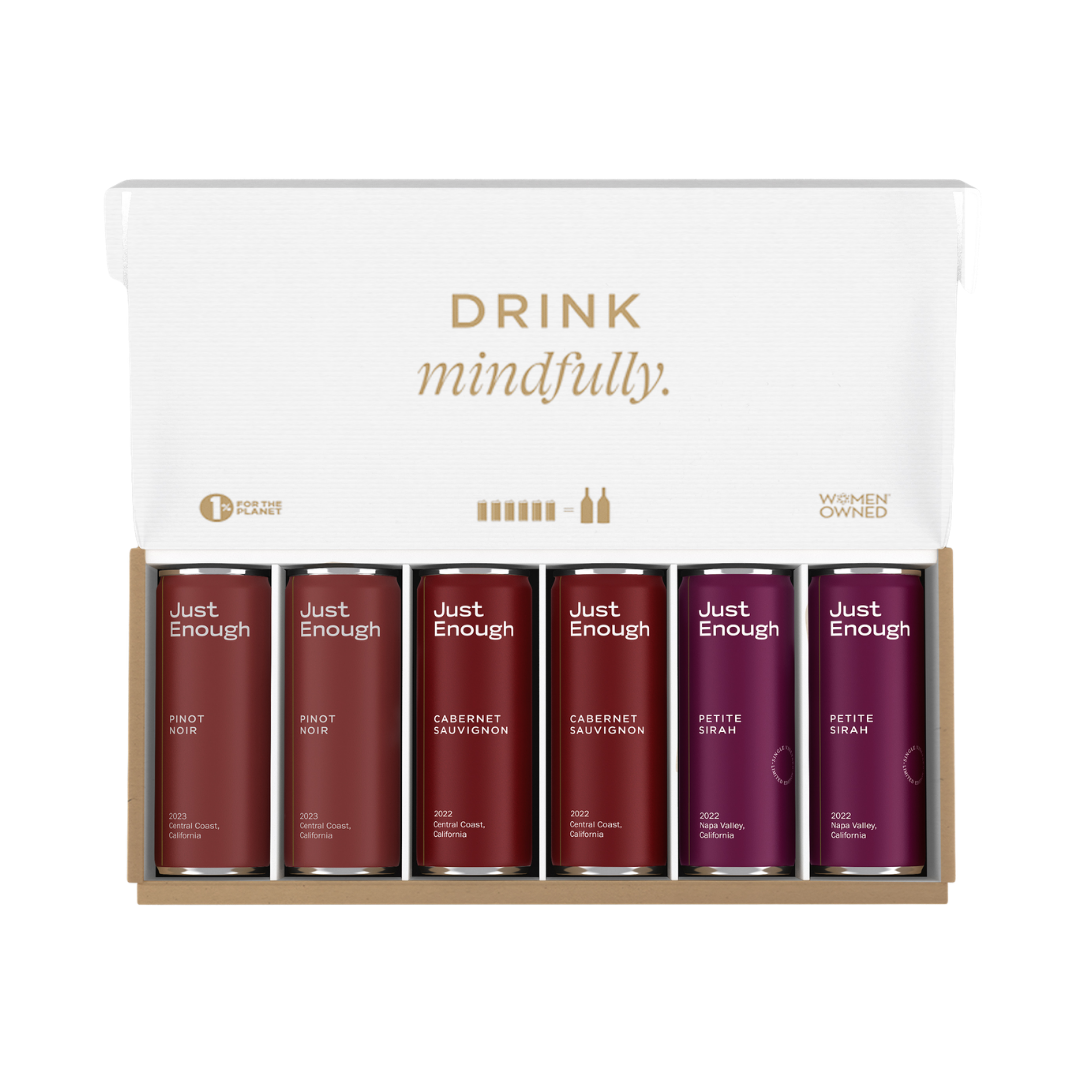
If you're dipping a toe into reds for the first time, Pinot Noir is the door you want to walk through. It's lighter-bodied than most reds, which means it won't feel heavy or overwhelming on your palate. It's smooth, fruit-forward, and tends to play nicely with a wide range of foods.
Our Pinot Noir carries notes of fresh cherries, vanilla bean, and cloves. It's silky and medium-bodied, the kind of wine that's complex enough to keep things interesting but gentle enough that it never feels like work. Pair it with roasted vegetables, grilled salmon, a charcuterie board, or, honestly, just a quiet evening where the pairing is the moment itself.

Cabernet Sauvignon and Red Blends
Once you're comfortable with Pinot Noir, you might want to explore bolder territory. Cabernet Sauvignon is fuller-bodied, with more structure and deeper flavors. Our Cab brings bright cherries, vanilla, and sandalwood. It's a confident wine that rewards you for slowing down with it.
Our Red Blend is another great next step. It combines multiple grape varieties (think of it as a greatest-hits mix) with ripe cherries, blackberries, and red peppercorn. Blends are designed for balance, which makes them surprisingly easy to drink even when the flavor profile is rich and layered.

The Sparkling Wines: Because Why Not
Sparkling wine doesn't need a special occasion. That's a rule somebody invented, and you're allowed to ignore it.
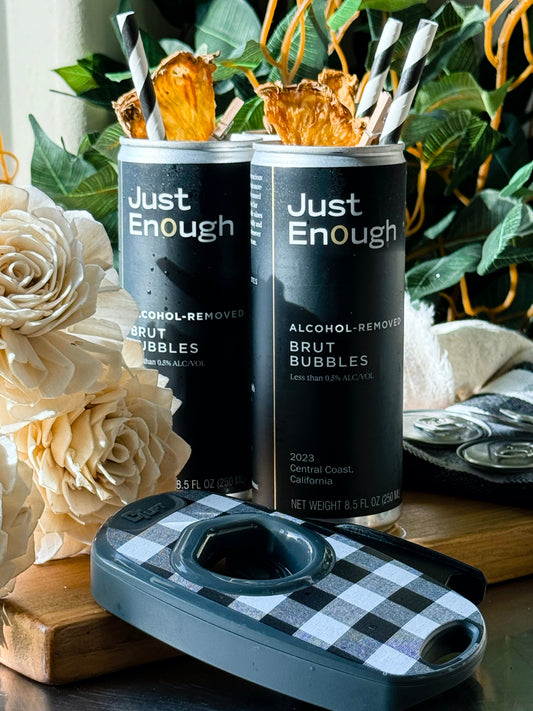
Our Brut Bubbles taste like golden apples, lemon zest, and brioche. Our Rosé Bubbles bring juicy strawberries, white peaches, and red raspberries. Both are crisp, celebratory, and light enough to drink any day of the week.
For wine for beginners, sparkling wines are actually a brilliant first try. They're refreshing, fun, and tend to appeal to people who aren't sure they even like wine yet. Something about the bubbles makes everything feel a little less serious and a lot more enjoyable.
The Easiest Way to Explore
Here's our honest recommendation if you're just starting out: don't buy one bottle of one thing and hope it works. Try a few varietals side by side. That comparison is what helps you to learn about your palate.
Our Essentials Set ($49) was designed for exactly this. It includes one can of each of our top-selling wines, so you can taste your way across styles and figure out what resonates. Each can is 250ml, which is about a glass and a half of wine. Enough to know whether you love it without committing to a full bottle of something you're unsure about.
That's the beauty of canned wine for beginners. Lower commitment, higher discovery. You try more, waste less, and learn what you actually like instead of what someone else told you to drink.
Your palate is yours. Trust it.
Explore the full collection at Just Enough Wines or start with our Essentials Set.