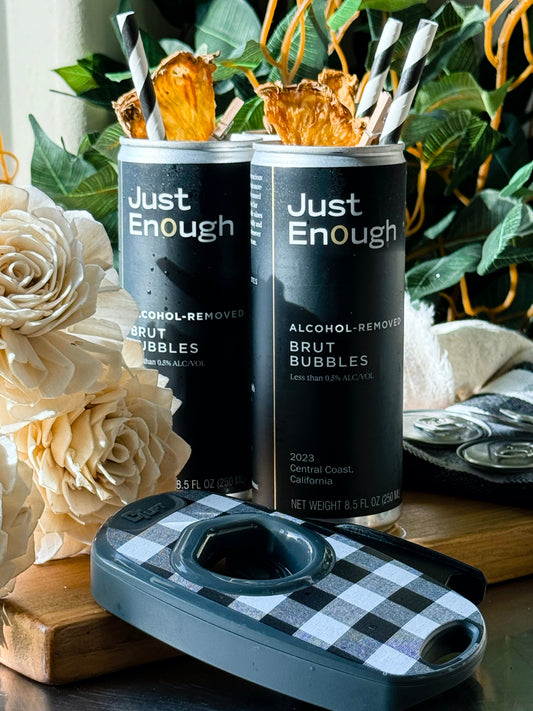
You pick up a canned wine, glance at the label, and notice a year printed near the bottom. Maybe you've wondered whether it matters or if it's just part of the packaging. That number is the vintage, and it tells a much richer story than most people realize.
Whether you're reaching for a crisp Sauvignon Blanc wine on a Tuesday evening or setting up a proper tasting spread, understanding what a vintage means will completely change how you shop, sip, and savor. Here's everything you need to know.
What Is a Vintage, Exactly?
The term "vintage wine" simply refers to wine made from grapes harvested in a specific year. That year on the label tells you when the grapes were picked, not when the wine was bottled or when you bought it.
A few wines, called non-vintage (NV), blend grapes from multiple harvest years. This is common in sparkling wines and some rosés, where consistency across batches is the goal. But for most still wines, including Chardonnay, Cabernet Sauvignon, Pinot Noir, and Sauvignon Blanc , the vintage year is front and center.
Why Does the Harvest Year Matter?
Grapes are agricultural products. Every growing season is different. Temperature swings, rainfall patterns, frost timing, and sunshine hours all shape the character of the fruit before it ever sees a winery.
A warm, dry growing season typically produces grapes with higher sugar levels, deeper color, and bolder fruit flavors. A cooler year tends to preserve more acidity and give the wine a leaner, more mineral-driven profile.
Here's how the vintage year plays out across some of the most popular varieties:
Chardonnay
It is one of the most climate-sensitive white grapes. In a warm vintage, expect ripe peach and tropical notes. In a cooler year, green apple and citrus take the lead with brisk acidity. Our 2023 Chardonnay is a perfect example of how a well-timed harvest brings those honeysuckle, melon, and toasted brioche notes into balance.
Sauvignon Blanc
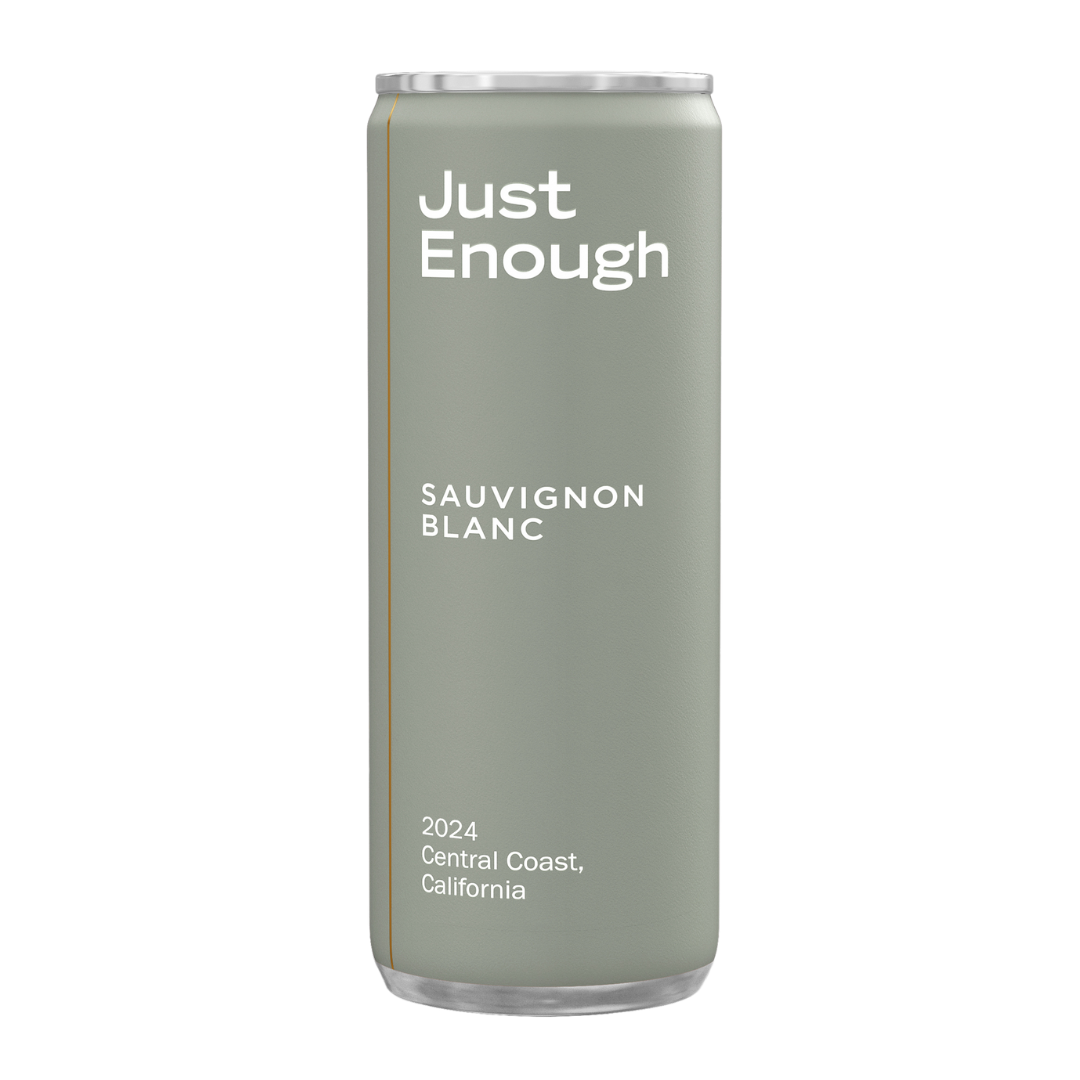
It thrives in cool-climate years. Lower temperatures lock in that signature herbal brightness and zesty acidity. In warmer vintages, the grassy and citrus notes soften into stone-fruit and tropical flavors. Either way, it drinks best young, so freshness is the name of the game.
Pinot Noir
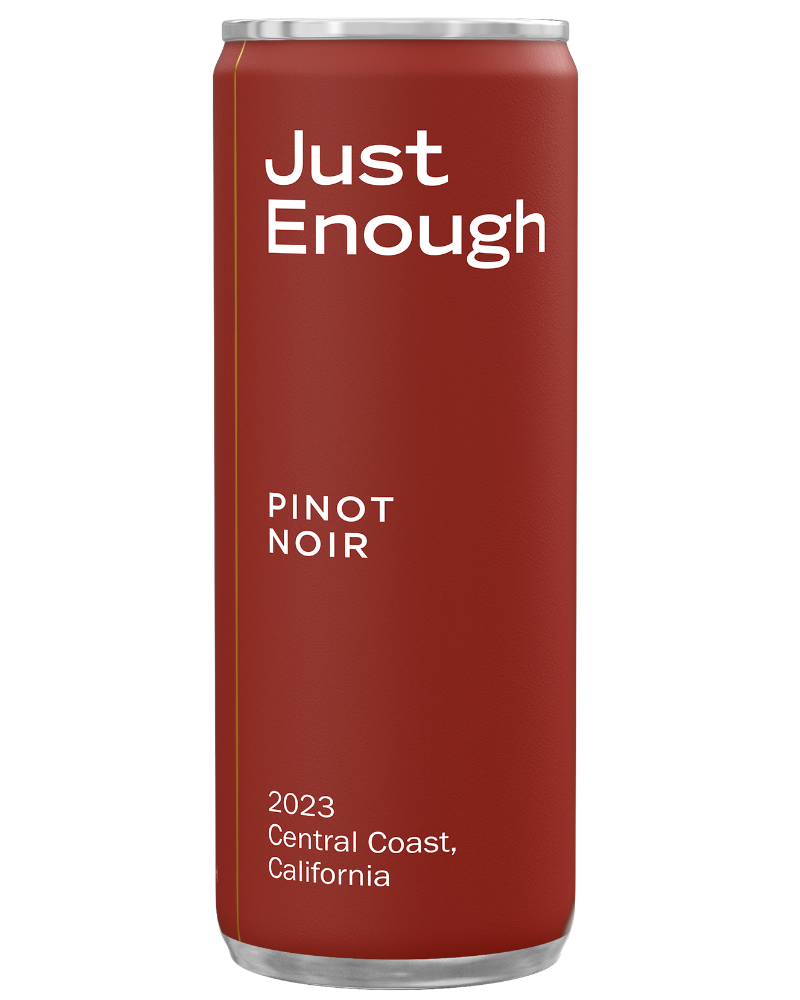
Pinot Noir is famously sensitive to weather. It's thin-skinned, prone to rot in wet years, and quick to overripen in heat. The best Pinot Noir vintages tend to be moderate: warm enough to ripen fully, but cool enough to keep the wine elegant and aromatic. When the conditions align, Pinot Noir delivers those hallmark cherry, forest floor, and silky tannin notes that collectors chase.
Cabernet Sauvignon
Cabernet is more resilient than Pinot, but vintage still matters. A long, warm growing season gives the thick skins time to fully develop, producing the concentrated blackcurrant, dark plum, and cedar notes that define great Cabernet Sauvignon. In shorter or cooler years, the tannins can feel sharper and the fruit less pronounced.
Whether you're reaching for a crisp white or a bold red, knowing the vintage is knowing the story behind every sip.

Does Older Always Mean Better?
This is one of the most common assumptions in wine, and it is not always accurate.
Most wines on the market are made to be enjoyed within a few years of release. White wines like Sauvignon Blanc and lighter-style Chardonnay are designed for freshness, and drinking them young is often the best experience. The same goes for many rosés and everyday reds.
Wines built for aging, like structured Cabernet Sauvignon or barrel-aged Pinot Noir, are different. They have the tannin structure and acidity to evolve in the bottle over years or even decades. But even those wines have a peak window, after which they begin to fade.
Does Vintage Matter for Canned Wine?
Yes, and here at Just Enough Wines, we take that seriously.
Our canned wines carry a vintage year because the grapes behind them are from specific harvests on certified sustainable vineyards along California's Central Coast. The vintage reflects a real growing season, real weather, and real terroir. It is not a decoration.
As aluminum cans protect wine from light and oxygen so effectively, the wine inside stays fresh and true to the vintage character. You're getting the full story of that harvest in every pour.

How to Use Vintage Information When Choosing a Wine
You do not need a wine encyclopedia to make good use of vintage information. A few simple habits help.
Look at the year in context. For whites and light reds, a recent vintage is generally a good sign. For fuller-bodied reds you plan to age, researching the harvest conditions for that year and region can be worth the few minutes it takes.
Consider the grape variety. A 2021 Sauvignon Blanc and a 2021 Cabernet Sauvignon experienced the same growing season very differently because of where and how each grape responds to the climate.
Trust your palate. The best way to learn what you enjoy is to taste with intention and pay attention to what lights you up.

Frequently Asked Questions About Vintage Wine
What does vintage mean on a wine label?
It refers to the year the grapes were harvested. It tells you about the growing season, not when the wine was bottled or purchased.
Does an older vintage always mean a better wine?
Not at all. Most wines are made to be enjoyed young, especially whites and light reds. Only specific styles, such as structured Cabernet Sauvignon, benefit from aging for several years.
Which wine varieties are most affected by vintage variation?
Pinot Noir and Chardonnay are the most sensitive to yearly weather changes. Cabernet Sauvignon is more resilient, while Sauvignon Blanc shows vintage character mainly through its acidity and aromatics.
How do I know which vintage to choose?
For whites and everyday reds, go with the most recent vintage for freshness. For fuller-bodied reds you plan to cellar, a quick search on the region and harvest year will point you in the right direction.
The Story Starts Before the First Sip
The year on the label is a small number that carries a lot of meaning. It connects the wine in your glass to a specific place, a specific season, and a specific set of choices made from vine to can. Once you start reading it that way, wine becomes a lot more interesting.
Ready to explore our current vintages? Shop all wines and find your next favorite pour.