“Dry wine” is one of the most misunderstood phrases in wine. Many people associate it with bitterness or harshness, even though that’s rarely the case.
The confusion matters. When someone is searching for low sugar wine or trying to avoid overly sweet styles, the word “dry” can quietly influence choices before the wine is even poured.
At Just Enough Wines, we believe wine should feel approachable, not intimidating.
In this blog, we explain what dry wine really means, how it relates to sugar, and how to choose wines that feel balanced and easy to enjoy.
What Does “Dry Wine” Actually Mean?
Simply put, dry wine means that after fermentation, very little sugar remains.
Grapes are inherently sweet, and when fermented, the added yeast consumes these sugars to produce alcohol. Waiting until most of the sugar is converted yields dry wine. This is the plain explanation of the word 'dry' in wine terminology.
Dry does not erase flavor. You might still notice tasting notes of apple, citrus, berries, and sometimes herbs. What you usually will not notice is the sweetness lingering after the sip.
Dry vs Sweet vs Low Sugar: Clearing Up the Language

Wine terminology these days tends to sound more complicated than it needs to be. We are here to shed some light on it.
Dry wines have less sugar content than sweet wines, which is why they don’t taste as rich as sweet wines.
“Sugar-free wine” is a phrase that pops up everywhere. It sounds definitive, but in reality, it is rarely accurate, since fermentation almost always leaves trace amounts of sugars behind. Low sugar wine is the more honest way to think about it.
Labels do not always guide you here. Most bottles and cans skip exact sugar numbers, which leaves people reading between the lines. So what is worth knowing is that dry is not the same as zero sugar, and dry wines are certainly not bitter; they are more balanced and have more complex flavours.
Why Low Sugar Wine Matters More Than Ever
Sugar plays a role in how wine tastes, but also in how it feels to consume. Many people notice the difference in energy levels or overall heaviness the next day, which is why low-sugar wine keeps coming up in conversation.
People want something that tastes complete but does not feel like too much. It lines up with a broader shift toward intentional drinking. People still want to enjoy social gatherings, just a little more intentionally.

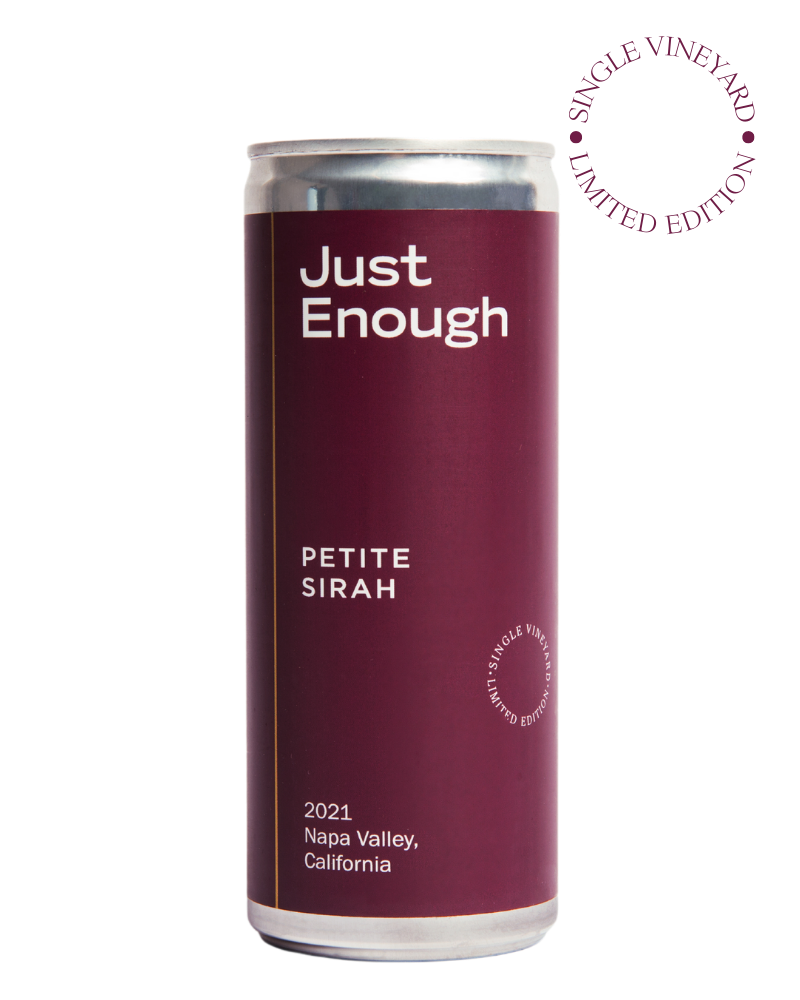
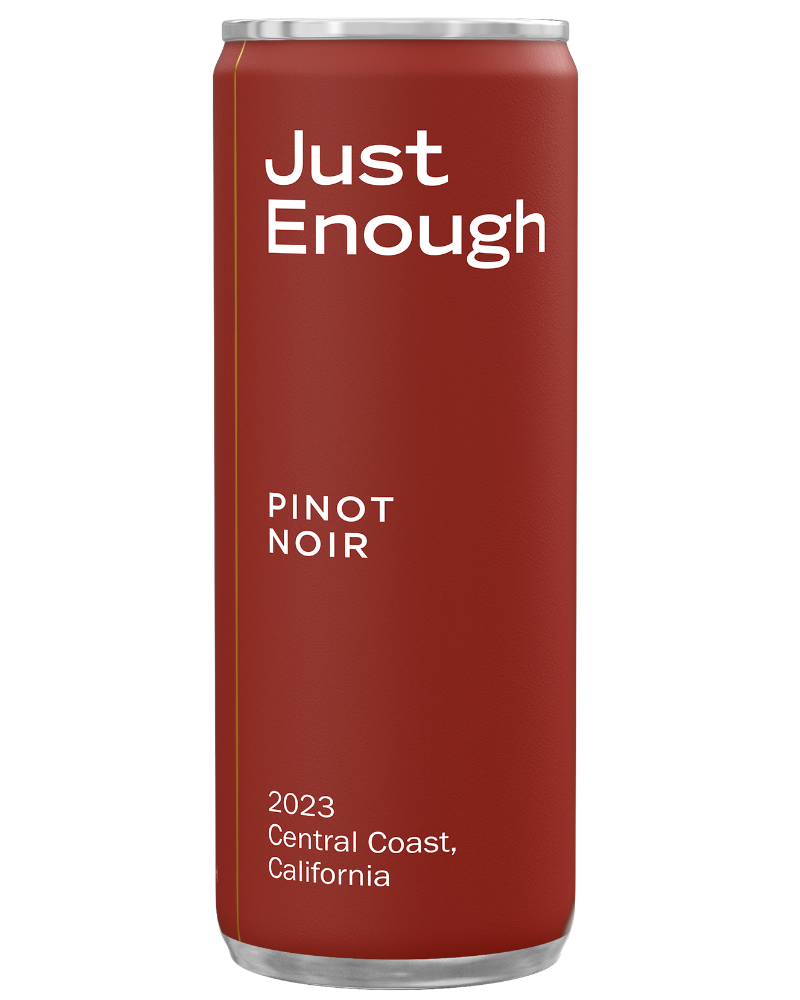
Taste Still Comes First: Dry Doesn’t Mean Harsh
There is a quiet misconception that dryness equals sharpness. Not necessarily. Well-made dry wines balance acidity, fruit, and alcohol, often feeling smoother and more expressive than expected.
Some dry wine styles even come across as softer than expected. Winemakers make small decisions at every stage that shape the final wine's taste.
How Just Enough Wines Thinks About “Dry”
At Just Enough Wines, dryness is not a marketing claim. It is part of a broader focus on balance and drinkability.
We design our wines to feel settled and approachable once opened. That means avoiding extremes and focusing instead on clarity, structure, and flavor that feels natural rather than forced. Low sugar wine fits into this philosophy because it allows the character of the grapes to come through without being masked by sweetness.
We also value transparency over hype. Terms like “sugar-free” sound appealing, but they are rarely accurate. Wine is an agricultural product, and honesty matters more than buzzwords. Our approach to conscious winemaking is about thoughtful choices, not loud promises.
The result is wine that feels easy to finish, easy to return to, and easy to enjoy as part of everyday life.
How to Identify a Low Sugar, Dry Wine Without Overthinking
You do not need a deep command of wine terminology to figure this out. But the marketing buzz these days can make it seem confusing.
All you need to focus on are the style cues and how the wine tastes on the palate. Try to go for brands that focus on transparency rather than hype.
Ideally, one should ignore sugar-free claims as they are rarely true, and overall technical claims as they are, as they are often just marketing lingo. If you want a sense of styles designed for everyday drinking, our collection is a good place to start.
Why “Dry” Is Really About How Wine Fits Into Your Life

Dry wine rarely tries to steal attention. It tends to settle into the background in a good way.
Low-sugar wine often feels comfortable on a cozy weeknight as well as on lazy weekends. It is one of the most versatile drinks to enjoy solo or with company; it supports the moment rather than shaping it.
Dry Wine, Defined Simply
Dry wine means most of the grape sugar has been converted during fermentation.
Low sugar wine is less about restriction and more about intention and balance. A wine that tastes clear and feels easy to drink.
Explore Just Enough Wines Collection and discover what dry, low-sugar wine can feel like when it is made with intention.