Mindful drinking isn’t about following rigid rules or cutting joy out of the experience. Wine culture has changed a lot. Drinking is now about intention. Today, we’re paying closer attention to what we drink, how much we drink, and whether it actually fits into our lives.
This shift toward mindful drinking has brought calories and the need for low-sugar wine into the spotlight. Calorie awareness doesn’t promote restriction. It’s about clarity.
When portions aren’t clear, calories add up faster than you think. And canned wine, especially low-sugar wine, fits into modern drinking habits with ease.
In this blog, we break down what really determines calories in wine, how low sugar wine fits into mindful drinking, and why canned wine makes portion control and moderation feel effortless.
What Actually Determines Calories in Wine
Wine calories come from three main factors, and understanding them makes choosing wine feel a lot less complicated.
Alcohol Content
Alcohol is the biggest contributor to wine calories. Each gram of alcohol carries more calories than sugar. So naturally, wines containing higher alcohol mean a higher calorie count, even if they taste dry.
Residual Sugar
Residual sugar is the natural grape sugar that is left behind after fermentation. Low-sugar wine contains less sugar. This keeps calorie levels more moderate and the wine feeling lighter on the palate.
Serving Size
This is where things really add up. Even a balanced wine can become excessive if portions aren’t clear. More wine equals more calories. It’s as simple as that.
In most cases, portion size matters more than people realize.
Low Sugar Wine vs. “Healthy Wine”
You’ve probably seen terms like "healthy wine" or "keto wine" used interchangeably online. But they don’t all mean the same thing.
“Healthy wine” isn’t a regulated category; it’s more of a mindset. It reflects how wine fits into your lifestyle, not a promise that wine is a wellness product.
Low sugar wine, on the other hand, is more practical. It means less residual sugar, cleaner profiles, and fewer hidden calories. It supports balance without chasing perfection.
When choosing keto wine, read the label carefully. Wine and strict keto diets don’t always align because alcohol itself contains calories and carbs. Some wines may be lower in sugar and carbs, but moderation still matters.
Canned Wine and Calories: Why Format Matters

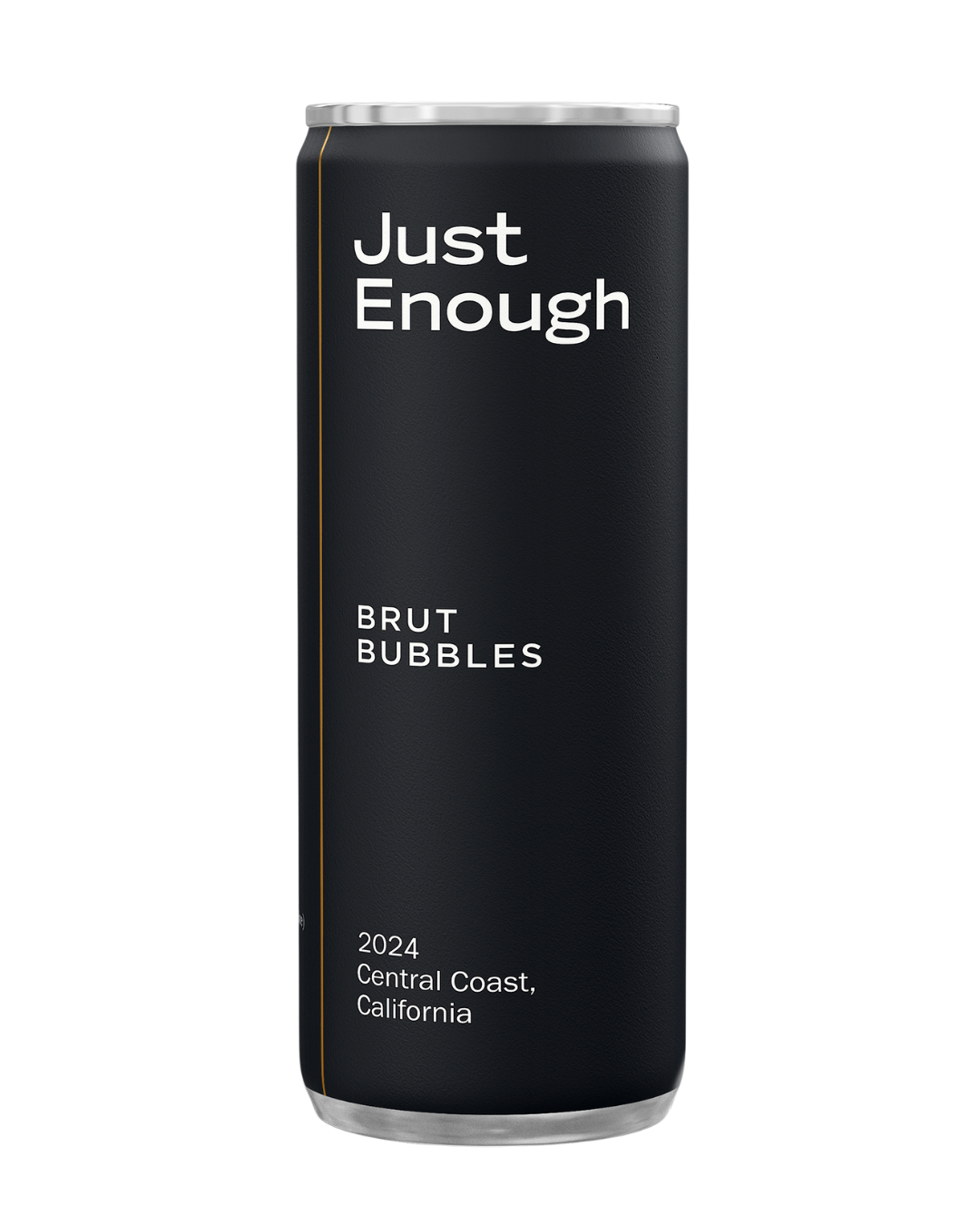
The format you drink wine from matters just as much as what’s inside. Single-serve canned wine creates natural portion control. One can equals one intentional serving (1.5 glasses).
No guessing. No unfinished bottles. No pressure to keep pouring. This fits directly into our conscious wine philosophy:
-
Easier calorie awareness
-
Reduced waste
-
More control without effort
Canned wine doesn’t change what’s inside. It changes how much you pour and how naturally you pause.


Average Wine Calories, Explained
Wine calories depend on the style, but patterns matter more than exact numbers.
Here’s a realistic guide based on a standard 5-ounce serving:
-
Dry sparkling wine (Brut): ~90–100 calories
-
Dry rosé wine: ~100–110 calories
-
Dry white wine (like Sauvignon Blanc or Chardonnay): ~100–120 calories
-
Red wine (Pinot Noir, Cabernet Sauvignon, blends): ~120–125 calories
Sweeter wines typically contain more residual sugar and therefore more calories.
Alcohol level matters too. Wines with higher ABV naturally carry more calories, even if they’re dry. That’s why two wines that taste similar can differ slightly in total calorie count.
If you’re choosing wine at home and aiming for balance, dry, low-sugar wine styles are usually the most predictable place to start. And when the portion is clearly defined, like with a single-serve can, it becomes much easier to know exactly what you’re consuming.
Is Low Sugar Wine Keto-Friendly?
Strict keto lifestyles and wine don’t always line up. Alcohol interrupts ketosis, and even low-sugar wine still contains carbs.
Some wines fit better into low-carb lifestyles than others. Lower-sugar, moderate-alcohol wines tend to feel more aligned with intentional choices. The goal isn’t labeling wine as keto-approved, it’s choosing wines that support how you want to feel.
How ‘Just Enough Wines’ Approaches Balance
At Just Enough Wines, we prioritize balance. Our wines focus on lower sugar and drinkable styles sourced from California’s Central Coast. Nothing overdone. Nothing excessive in your daily routine.
The canned format is designed for mindful drinking and flexibility, whether you’re planning for a solo night in or casual hosting. It’s wine designed to move with your life, not interrupt it. This approach reflects our story and the reality of modern drinking habits.
Who This Approach Works Best For

This style of wine is for:
-
Mindful drinkers
-
People reducing sugar,but not joy
-
Solo sippers and casual hosts
-
Anyone tired of overthinking wine calories
If you want flexibility without compromise, this approach is a good fit.
FAQs
Q: How many calories are in a can of wine?
A: It depends on the wine style, alcohol level, and sugar content.
Q: Is low-sugar wine healthier?
A: Low sugar wine supports balance by reducing excess sugar, but “healthier” is about how wine fits into your lifestyle.
Q: Does canned wine have fewer calories than bottled wine?
A: Not inherently. The difference is portion clarity. One serving equals one can, which makes calorie awareness simpler.
A More Realistic Way to Think About Wine Calories
Wine doesn’t need to be perfect to be intentional. Low sugar wine supports clarity and balance, not restriction. And canned wine makes moderation feel natural, not forced.
Looking for a simpler way to enjoy wine without overthinking calories? Explore Just Enough Wines and discover how thoughtful portions and balanced wines fit modern life.