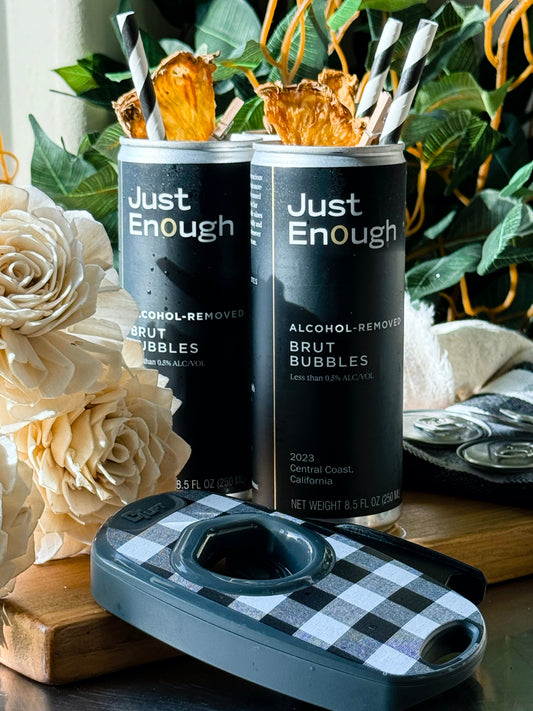
Most conversations about wine start at the glass. What it tastes like, how it feels, when to open it. But the experience of wine is shaped long before the first sip.
From how grapes are grown to how wine is packaged and delivered, every decision leaves a quiet mark on the final pour. Sustainability is not a single step or label. It is a series of choices that build on each other, often behind the scenes.
In this blog, we follow the journey of California wine from vineyard to can, exploring how conscious winemaking and thoughtful packaging come together to shape a more intentional way to drink.
Why California Wine Sets the Standard
California wine has an unmatched reputation in the wine market, largely because of its production region. The Central Coast plays a big role in that story.
The cool breeze from the ocean moves inside the valleys and through the vines, chilling the fruit and lengthening the ripening season. The result is a high-quality grape that has been given enough time to mature and naturally sweeten. The grape varieties can be numerous, given the soil fertility and microclimates. This diversity is one of the reasons the Central Coast produces such a wide range of expressive wines.
Let’s see the steps it takes to bring you a can of California’s finest wines.
Step One: Growing Grapes with Intention
Every bottle of conscious wine starts long before harvest; it starts with the plantation. Vineyards in the central coast practice:
-
Responsible water use
-
Protect soil health from degradation
-
Biodiversity is encouraged so vineyards stay resilient year after year
-
Safe and environmentally healthy harvesting practices
These practices create healthier fruit, which allows the wine to express itself naturally, without heavy intervention later. This is where conscious wine sets itself apart. Better fruit reduces the need for heavy adjustments later in the cellar. This means that you taste what nature intended, as it is.
If you’re curious about how these values guide production, check out our philosophy behind winemaking, which offers a closer look at what intentional farming really means.
Harvest & Fermentation: Where Wine Takes Shape

The winemaking process begins when grapes reach a balanced taste profile, before they are fully ripe.
After harvest, grapes are gently crushed. Yeast is added to convert natural sugars into alcohol. This simple transformation is the foundation of how wine is made.
The timing changes everything - if you ferment too fast, the depth and nuance disappear. Move too slowly, on the other hand, and the freshness fades. Good producers respect the pace, and the winemaking process rewards patience every time.
At its core, how wine is made is greatly about patience and observation.
Minimal Intervention, Maximum Balance
The best of the best winemakers let the natural flavors shine through; they don’t drown them with additives. They aim for a sweet spot of balance to achieve a rich, rounded flavor profile. Balance creates wines that feel memorable, not overpowering.
For many producers, conscious wine reflects restraint rather than restriction. Thoughtful decisions replace reactive ones.
alance and quality you expect from a bottle.


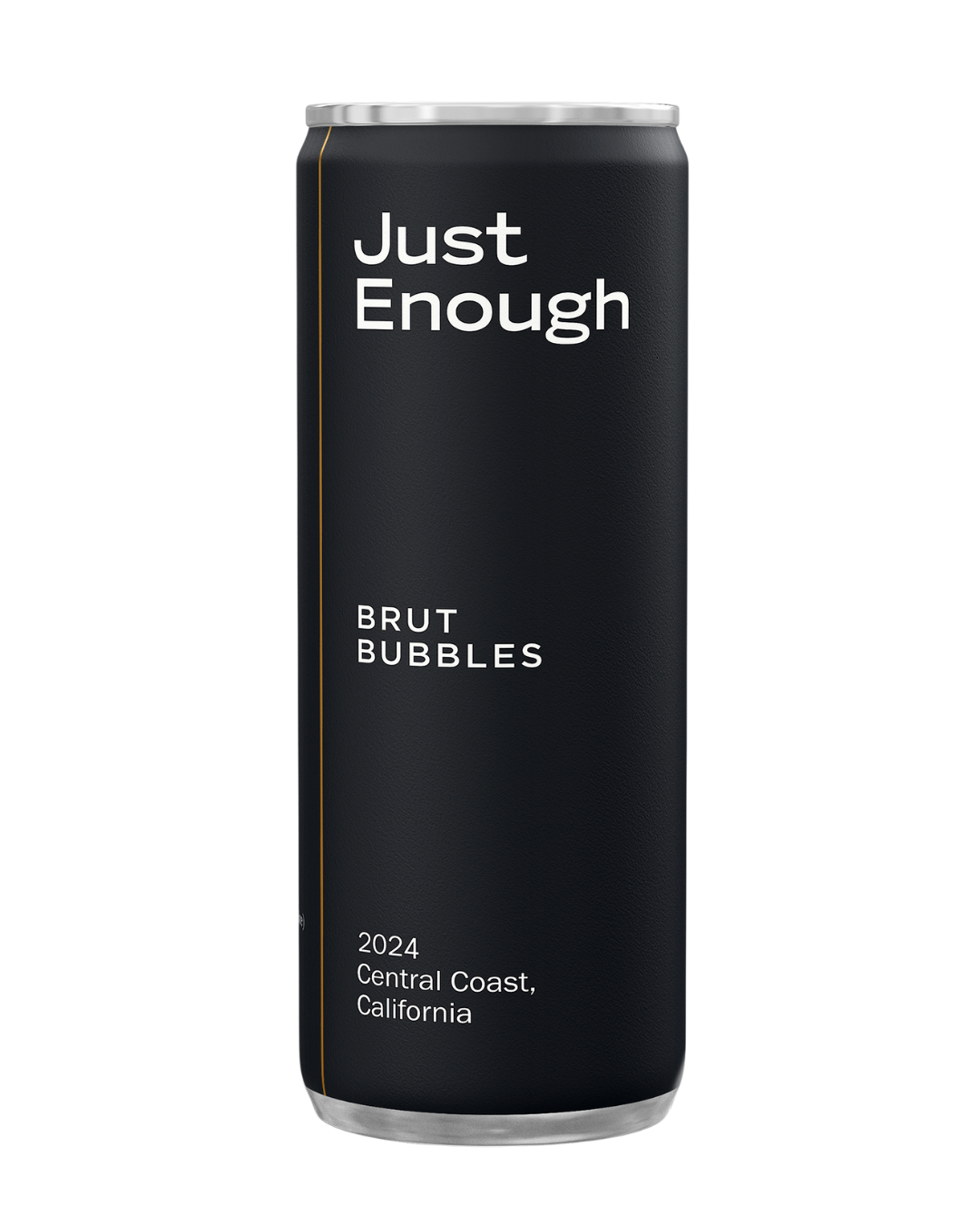
Why Packaging Is Part of Sustainable Winemaking
Sustainability doesn’t end after fermentation. Packaging carries real environmental weight. Glass bottles alone account for roughly 42% of wine’s carbon footprint because they require energy to produce and ship.
Cans can change this situation. They’re lighter, allowing more wine to be transported with fewer emissions. Aluminum is widely recyclable and can be reused repeatedly without degrading, making it a strong alternative to traditional glass bottles. Choosing cans supports the larger idea behind conscious wine.
Another upside to choosing cans over bottles is that people can control portions. Cans are packed in single-serve units, which are easier to control and help prevent waste.
From Tank to Can: Preserving Quality

Modern canning protects the wine far more than people expect. The special liners prevent the liquid from interacting with the metal. Cans are also completely airtight, keeping the oxygen out to keep the contents of the can fresh.
Cans are simply more convenient, they remove friction from drinking, are equally as good as glass bottles, and are portable on top of it. Curious what that looks like in practice?
You can browse the collection directly on our website.
What Conscious Wine Means at Just Enough Wines
At Just Enough Wines, conscious wine shows up as a set of steady choices:
-
Thoughtful sourcing.
-
Balanced production.
-
Responsible packaging.
The roots are firmly tied to California wine, while the format reflects how people live now.
We believe that wine doesn’t need a ceremony to matter; all you need is good company and a can from Just Enough.
Wine with a Story Worth Knowing
From vineyard rows to the final seal, each step shapes California wine in ways you can taste.
When it’s made thoughtfully, California wine carries a quiet confidence that feels impressive without being exorbitant.
At Just Enough Wines, our goal is simple: to make thoughtfully crafted California wine easier to enjoy, one can at a time.
Try our subscription service and experience California wine made with intention, from grape to can.