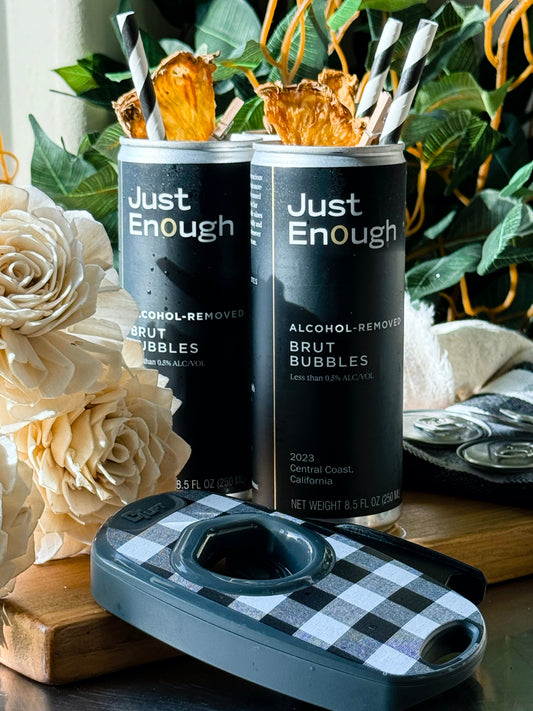
Did you know that temperature can make or break the sip?
Serve it too warm, and the fruit goes flat while the alcohol takes over. Too cold, and the wine just clams up on you. Flavors and aromas tend to vanish.
The good news? Canned wines chill faster than bottles: less liquid, better conductivity. Whether you've got hours to plan or need it cold in two minutes, here's exactly how to do it.
Does Temperature Really Matter for Wine in a Can?
Yes, it really does. Temperature controls how the aromatic compounds in wine behave. Those compounds are what carry the fruit, the florals, the subtle notes that make a good wine interesting. Get the temp wrong, and you block them entirely.
When wine sits too warm, the alcohol vapors take over. That's why a warm red can taste more like spirit than cherries. Fruit notes flatten out, and the sweetness can feel syrupy and unbalanced.
When it's too cold, the aromatics get suppressed. In reds, the tannins turn harsh and astringent. Making all the complexity disappear.
What's the advantage of canned wines? Well, they chill faster than bottles due to less liquid mass. It also offers better heat transfer from the aluminum. So when you grab a can of Just Enough Wines, you're already ahead of the game.

The Right Temperature for Every Style of Canned Wine
Not all wines want the same treatment. Your Rosé Bubbles needs to be colder than your Cabernet. Here's the breakdown.
Sparkling Wines: Serve Coldest
Aim for 40 to 45 degrees. That keeps the bubbles tight and the acid crisp. Our Brut Bubbles with those golden apples and brioche notes? That's the zone. Same with the Rosé Bubbles. Too warm and they go flat fast.
Rosé Wine: Serve Well Chilled
Place it between 48 and 54 degrees. You want that watermelon and guava from our Rosé to pop, not sit there muted. Right above the fridge temp is the sweet spot.
White Wines: Serve Chilled, Not Frozen
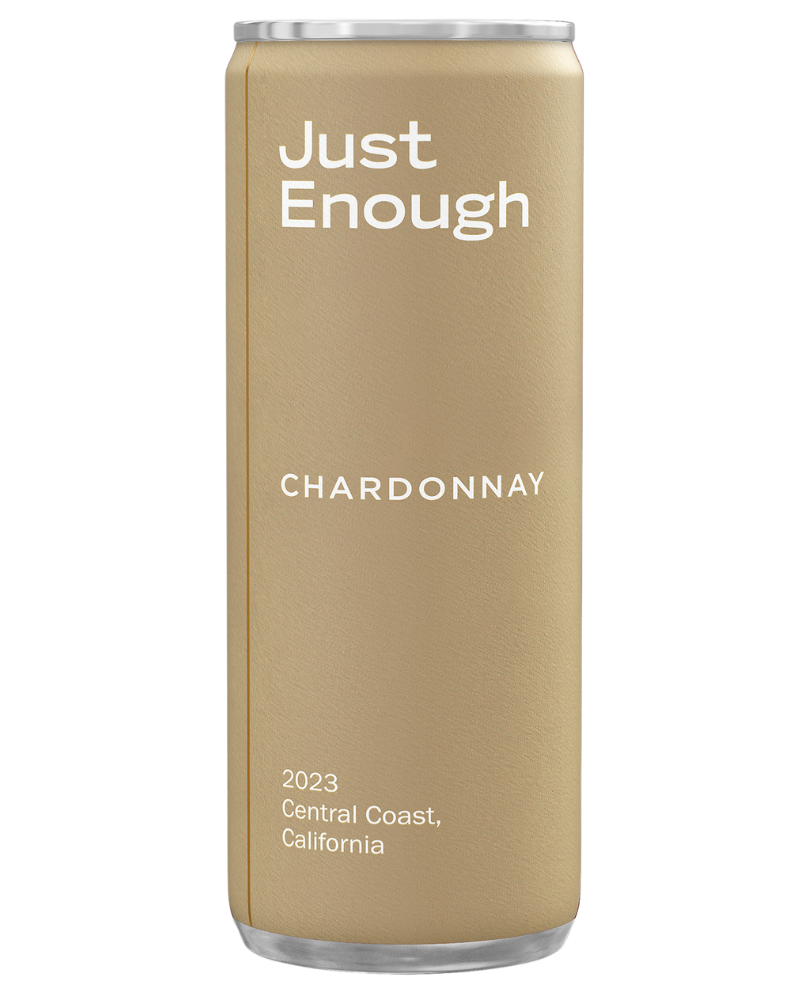
Get to 45 to 52 degrees. Lighter ones, like our Sauvignon Blanc with passionfruit and grapefruit, live at the cooler end. Our Chardonnay with the melon and toasted brioche can warm up just a touch to let that oak breathe.
Red Wines: Serve Slightly Chilled
Keep it between 58 and 65 degrees. That old "room temperature" thing? Yes, that was 1800s Europe. Your apartment is warmer now. Our Red Blend, Cabernet, and Petite Sirah land around 62-65.
|
Wine Style |
Ideal Temp |
Grab This Can |
|
Sparkling |
40-45°F |
Brut Bubbles, Rosé Bubbles |
|
Rosé |
48-54°F |
Rosé |
|
White |
45-52°F |
Sauvignon Blanc, Chardonnay |
|
Light reds |
58-62°F |
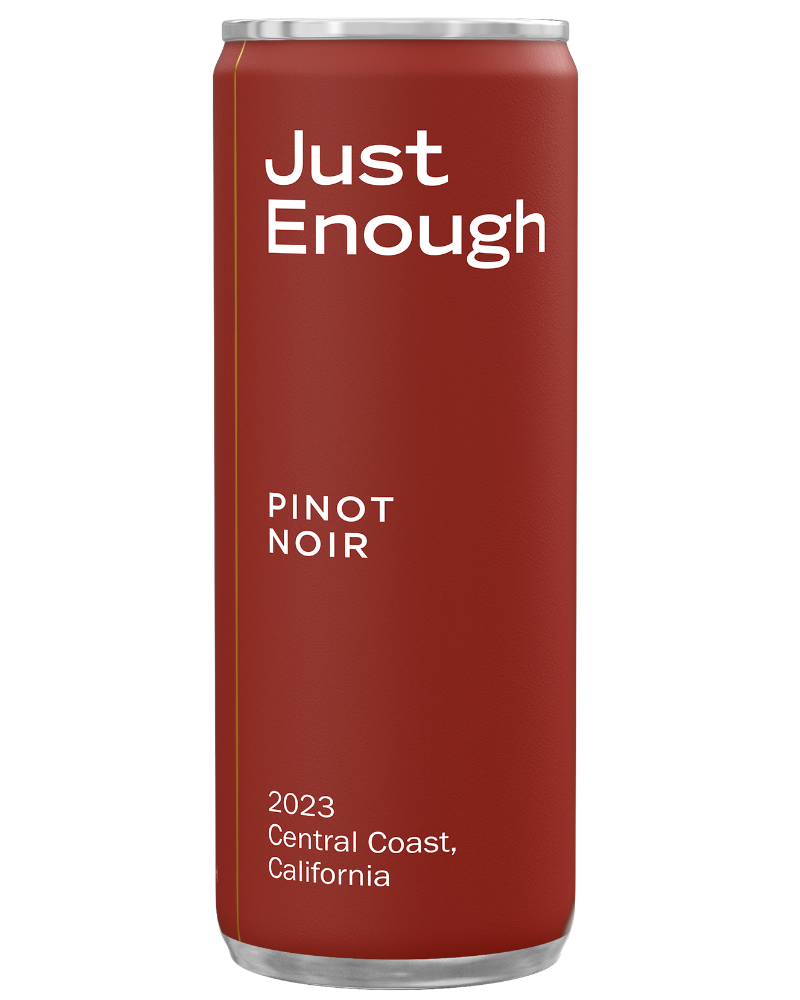
Pinot Noir |
|
Bold reds |
62-65°F |
Red Blend, Cabernet, Petite Sirah |
The standard rules for wine temperature still apply to cans.
How to Chill Wine in a Can: Every Method, Ranked by Speed

Maybe you planned ahead. Maybe you totally forgot. Either way, there's a method that works.
Method 1: The Refrigerator
Time: 2 to 3 hours for whites and rosé. Reds only need 30 to 45 minutes.
Cans chill faster than bottles because aluminum conducts heat much faster than glass. Stick them toward the back where it's coldest. Skip the door shelf, that spot warms up every time you grab milk.
Method 2: Ice Water Bath
Time: 10 to 15 minutes. This is the fastest reliable method.
Water creates full contact with the can. Ice alone leaves air pockets. Equal parts ice and water, submerge fully, and you're good. Add salt if you're in a real hurry.
Method 3: The Freezer
Time: 20 to 25 minutes for whites, 10 to 12 minutes for reds.
Set a timer. Aluminum cans rupture if you forget. This is for emergencies only.
Method 4: Wet Paper Towel Trick
Time: 12 to 15 minutes.
Wrap the can in a damp paper towel and toss it in the freezer. The same timer warning applies.
Method 5: Insulated Sleeves
Not for chilling. For keeping things cold once you're out the door. Beach days, picnics, concerts. Worth having.
When in doubt, go with the ice bath. It's fast, foolproof, and works whether you planned ahead or didn't.

Canned Wine Chilling Mistakes That Ruin the Sip
A few wrong moves and your wine goes from great to meh.
-
Chilling everything the same way. Your Pinot Noir doesn't need to live in the fridge next to your sparkling wine.
-
Forgetting the freezer timer. Set it before you walk away. Every time.
-
Using ice only with no water. Those air pockets mean uneven chilling and waiting around.
-
Serving straight from a hot car. Ten minutes in an ice bath transforms the whole experience.
-
Drinking sparkling wines too warm. You lose the bubbles and the whole point.
-
Over-chilling bold reds. Our Cabernet and Petite Sirah turn harsh and closed off when they're too cold.
Get these right, and the can in your hand is always worth opening.
How to Keep Wine in a Can Cold Wherever You Go
This is where canned wine wins. Bottles are heavy, and they break. Also, they don't fit in a backpack.
A cooler with ice and water beats ice alone every time. Your wine in a can stays cold for hours. Insulated sleeves work great, too. Pour a can of Rosé into a vacuum-insulated tumbler, and your rosé stays crisp through a whole set at an outdoor show.
Soft coolers are fine for picnics. Hard coolers are better for beach days.
Canned Wine Chilling FAQs
How long does it take to chill a can of wine?
Depends on the method. The fridge needs two to three hours. An ice bath does it in 10 to 15 minutes. Freezer with a wet paper towel? About 12 minutes. Set a timer.
Can you put canned wine in the freezer?
Yes, but don't walk away. 20 minutes max for whites, 10 for reds.
What temperature should rosé wine be served at?
48 to 54 degrees. Cool, not freezing. That's where the fruit lives.
Should canned red wine be served cold?
Lightly chilled. Think cool basement, not refrigerator. 58 to 65 degrees does the trick.
How do you keep canned wine cold outdoors?
Cooler with ice and water. Insulated sleeve. Tumbler. Pick one.
Does wine in a can chill faster than bottled?
Way faster. Aluminum conducts cold better than glass.
Chill Right, Sip Better

You picked a can of Just Enough Wines, which is from California's top growing regions, made by people who actually know wine. So why serve it at the wrong temp?
Thirty seconds is all it takes. Ice bath. Timer. Knowing our Pinot Noir wants some time in the fridge, while our Brut Bubbles live there.
No corkscrew needed. Each can pour 1.5 glasses. It is lightweight and recyclable. Offering a lower carbon footprint than glass because somebody thought ahead.
Grab a can from our complete wine collection at Just Enough Wines today. Chill and sip as you go.