Think about how designers use a color wheel. One look tells them what shade fits the mood. Wine works in a somewhat similar way. The color in the glass already gives clues about what we’re about to taste. Rosé sits between red and white for a reason, and that middle spot explains a lot about its character.
In this blog, we walk through how wine gets its color, what each style usually tastes like, and how to figure out which one fits the moment.
Rosé Wine: The Color Between Red and White

Rosé has its own rules, methods, and flavor balance.
How Rosé Wine Gets Its Color
Rosé wine is usually made from red grapes with short skin contact. The grape skins stay with the juice for only a few hours. This brief time creates the pink color. There is another approach, called saignée, which removes lightly colored juice early during red wine fermentation. Both these methods give a pale salmon to bright coral color.
What Does Rosé Wine Taste Like?
Rosé wine usually feels light and refreshing. Most styles lean dry, though the fruity aromas might make them seem sweeter. It typically tastes like berries, watermelon, and citrus notes.
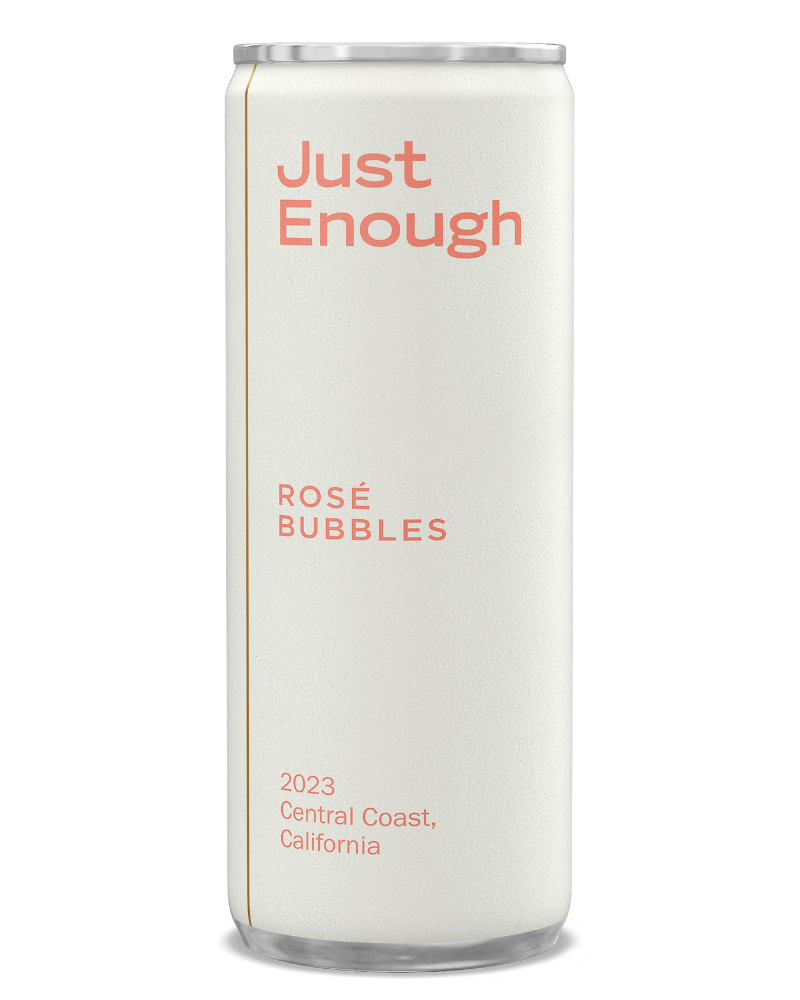
A good example is the Just Enough Wines 2024 Rosé. Made mostly from Pinot Noir with a little Grenache, it shows flavors of watermelon and guava with a clean finish.
When to Drink Rosé Wine
Rosé is often associated with summer, but it actually works year-round. Its freshness makes it flexible with food. Fish tacos, spinach artichoke dip, green curry, and even truffle fries pair well with it.
Red Wine: The Deep End of the Color Palette

Red wine sits on the darker end of the spectrum. Longer contact with grape skins gives it a deeper color.
What Exactly Makes Red Wine Red?
The pigments in grape skins are responsible for the color. During fermentation, those pigments mix with the juice. Many red wines also age in oak, which softens the texture and adds vanilla or spice notes.
Understanding Red Wine Styles
Red wines can range from light to bold. Pinot Noir usually feels lighter and fruit-forward. Medium styles such as red blend wine offer balance and depth. Fuller reds like Cabernet Sauvignon tend to be richer and more structured.
What Is a Red Blend Wine?
A red blend wine simply combines two or more red grape varieties. Winemakers tend to blend different grape varieties to achieve a nice balance and complexity in the wine.
Food Pairings for Red Wine
Lighter reds generally work well with salmon, mushrooms, or charcuterie. Medium styles like red blend wine pair nicely with dishes such as lamb or mushroom risotto. Fuller reds usually match richer meals and aged cheeses.

White and Sparkling Wine: Crisp and Bright
White wine sits on the lighter side of the wine spectrum. The grapes are usually pressed quickly, and the juice is separated from the skins before fermentation begins.
How White Wine Gets Its Color
As the skins are removed early, white wine tends to stay pale. The focus is usually on freshness and acidity.
Chardonnay Wine: The Chameleon of White Wine
It can taste very different depending on how it’s made. Some versions are bright and citrusy, while others feel richer. It has flavors like melon, honeysuckle, and a soft toasted note.
Sauvignon Blanc: The Bright Alternative
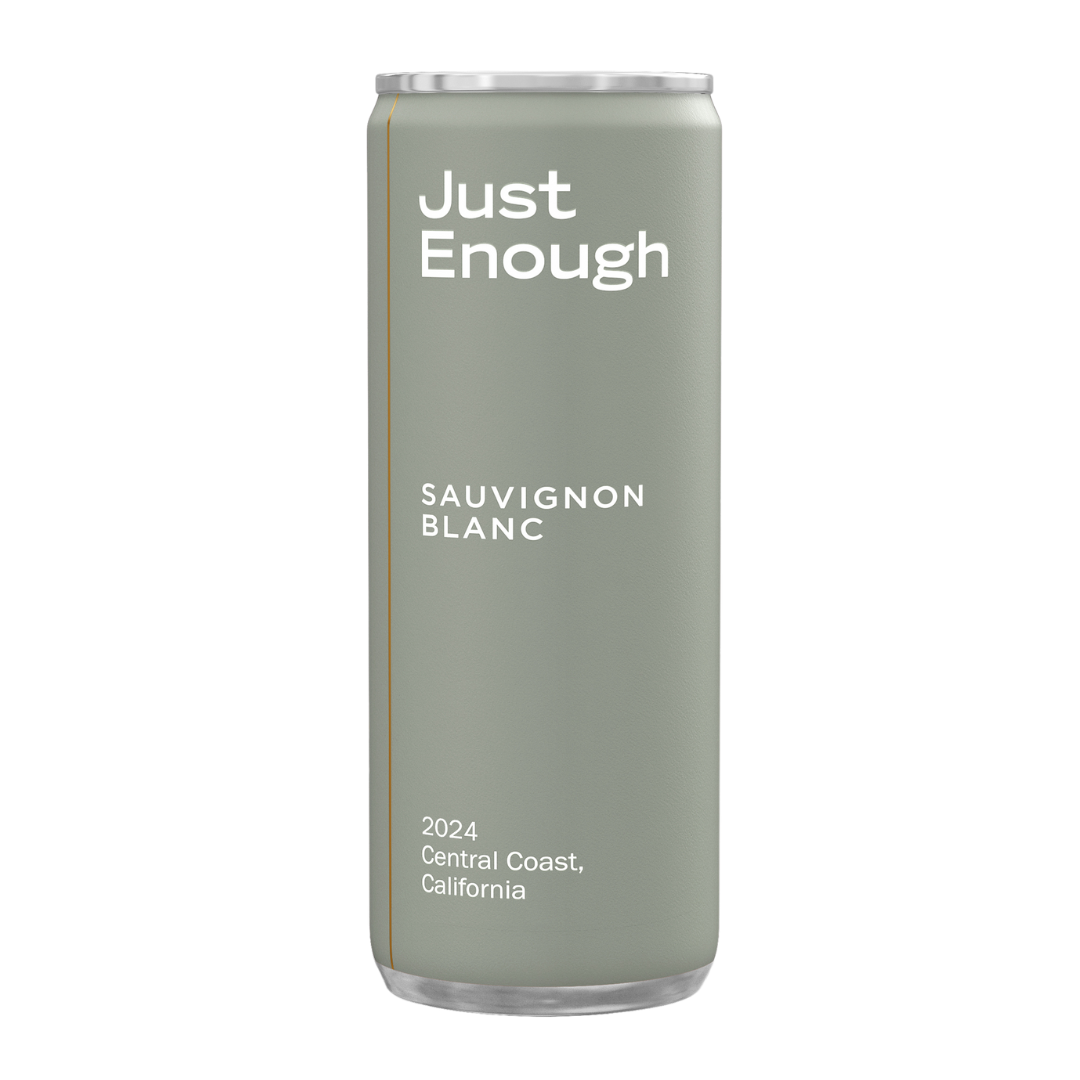
Sauvignon Blanc usually leans toward crispness and citrus-driven flavors. Flavors like grapefruit and passionfruit are common, giving the wine that fresh feel.
Sparkling Wines
Sparkling wines gain their bubbles from a second fermentation that traps carbon dioxide. Brut styles are the driest. While sparkling wines are often saved for celebrations, they work well with everyday meals too.


Your Wine Color Questions, Answered
What is the difference between rosé wine and red wine?
Rosé is made from red grapes, but the skins stay with the juice briefly, giving it a lighter color and softer structure. Red wine has more contact with the skin, which gives it a deeper color.
Is rosé wine sweet or dry?
Rosé wine can be sweet or dry, but most premium styles lean dry, including Just Enough Wines' 2024 Rosé, are dry in style, with residual sugar as low as 0.7 g/l.
What does Chardonnay wine taste like?
Chardonnay wine changes depending on how it’s made. Some versions taste citrusy and fresh, while others taste richer, like melon or brioche.
What is a red blend wine?
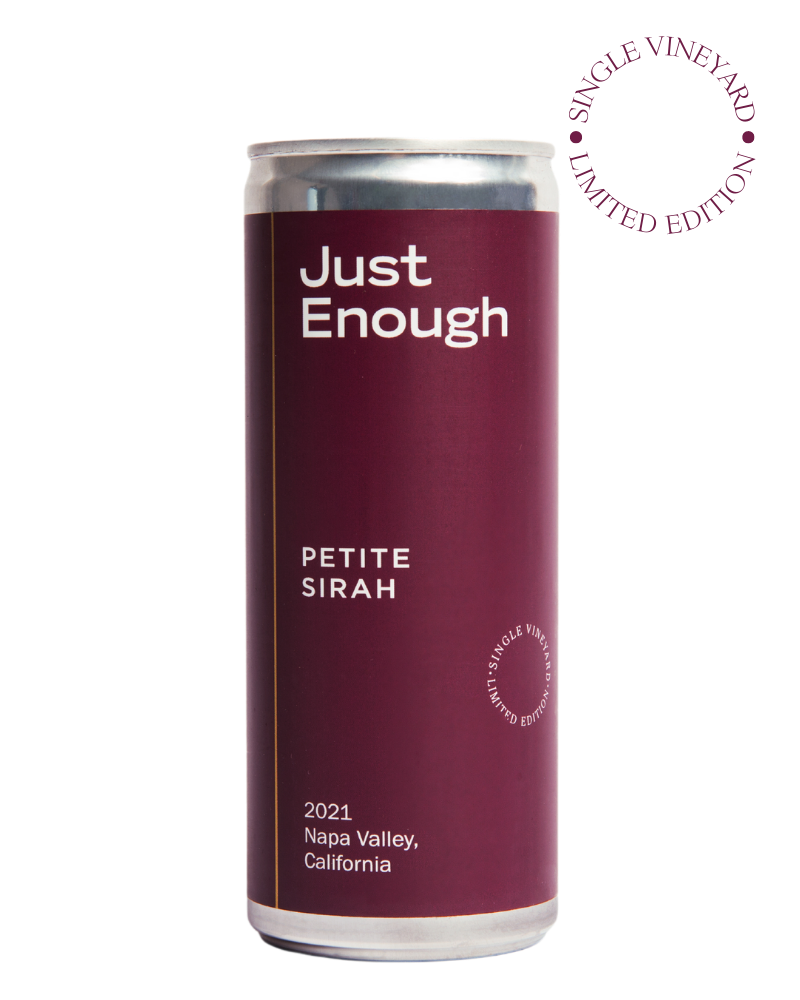
A red blend wine mixes several red grape varieties like Malbec, Cabernet Sauvignon, Grenache, and Petite Sirah to create a more of a balanced yet complex flavor profile.
What is the difference between Brut and other sparkling wines?
Brut describes the dryness level in sparkling wines. It usually means the wine is very dry, with very little residual sugar.

Your Palette, Your Pour
Once wine is viewed through color, it becomes easier to understand. White wines bring brightness. Rosé balances freshness and fruit. Red wines add depth and structure.
Each shade fits a different mood. That’s really the idea behind Just Enough Wines: pouring with intention, keeping things simple, and focusing on well-crafted wines without added sugar.